Column · @raymondagls284
Dental Crowns Los Angeles CA: Everything About the Treatment Journey

A dental crown is one of those treatments people often hear about long before they actually need one. Patients usually arrive with a mix of assumptions: some think a crown is basically a cap placed in a single visit and forgotten. Others worry it means the tooth is beyond saving. Neither view is quite right. A crown sits in the middle ground between simple repair and tooth replacement. It protects what remains of a damaged tooth, restores shape and strength, and often keeps a problem from turning into an extraction later.
For people researching Dental Crowns Los Angeles CA, the treatment journey matters as much as the final result. Los Angeles patients are often balancing busy schedules, cosmetic expectations, insurance limitations, and long commutes. They want to know how many visits are involved, whether temporary crowns are uncomfortable, how long a final crown should last, and what can go wrong if the fit is off. Those are the practical questions that shape the real experience.
The process has improved significantly over the years, but it is still a treatment that depends on judgment, planning, and execution. A crown is not just a piece of porcelain. It is a custom restoration that has to work with your bite, gumline, neighboring teeth, and habits such as clenching or grinding. The difference between a crown that feels invisible and one that nags at you for months often comes down to details patients never see.
What a dental crown actually does
A crown covers the visible portion of a tooth above the gumline. Dentists recommend it when a tooth has lost too much structure to hold a filling predictably, when a tooth has cracked, after a root canal in many cases, or when a severely worn tooth needs to be rebuilt. Crowns can also improve shape and color, though cosmetic cases require especially careful planning.
Think of a crown as reinforcement, not a magical reset. It does not make a weak tooth invincible. It gives a compromised tooth a better chance to function comfortably and withstand everyday chewing. The underlying tooth still matters. If decay continues underneath, if the tooth fractures below the gumline, or if gum disease progresses, the crown alone cannot solve those problems.
This is why good crown treatment begins with diagnosis, not with a sales pitch. If the tooth cannot be predictably restored, a crown is the wrong answer. On the other hand, waiting too long can turn a repairable tooth into a lost one. That timing issue comes up often in practice. Patients delay because the tooth is not hurting much, then return months later with a broken cusp, a deeper crack, or a larger area of decay.
When a crown is usually recommended
Not every tooth with a cavity needs a crown. Conservative treatment is still the goal whenever possible. A dentist usually starts discussing a crown when the remaining tooth structure is too thin, too undermined, or too weakened to trust a filling long term.
Here are common situations where a crown often makes sense:
- a tooth with a large old filling that has broken down
- a cracked tooth causing pain on biting
- a back tooth after root canal treatment, especially if substantial structure is missing
- a tooth worn short from grinding or acid erosion
- a badly misshapen or heavily discolored tooth when veneers are not enough
There is nuance in every case. A small tooth-colored filling may be perfect for one patient, while a crown is more appropriate for another person with heavy bite forces and a history of fractured restorations. Experience matters here. The best dentists are not simply asking, “Can this tooth be filled?” They are asking, “What has the best chance of working for this person over time?”
The first appointment, more than just looking at the tooth
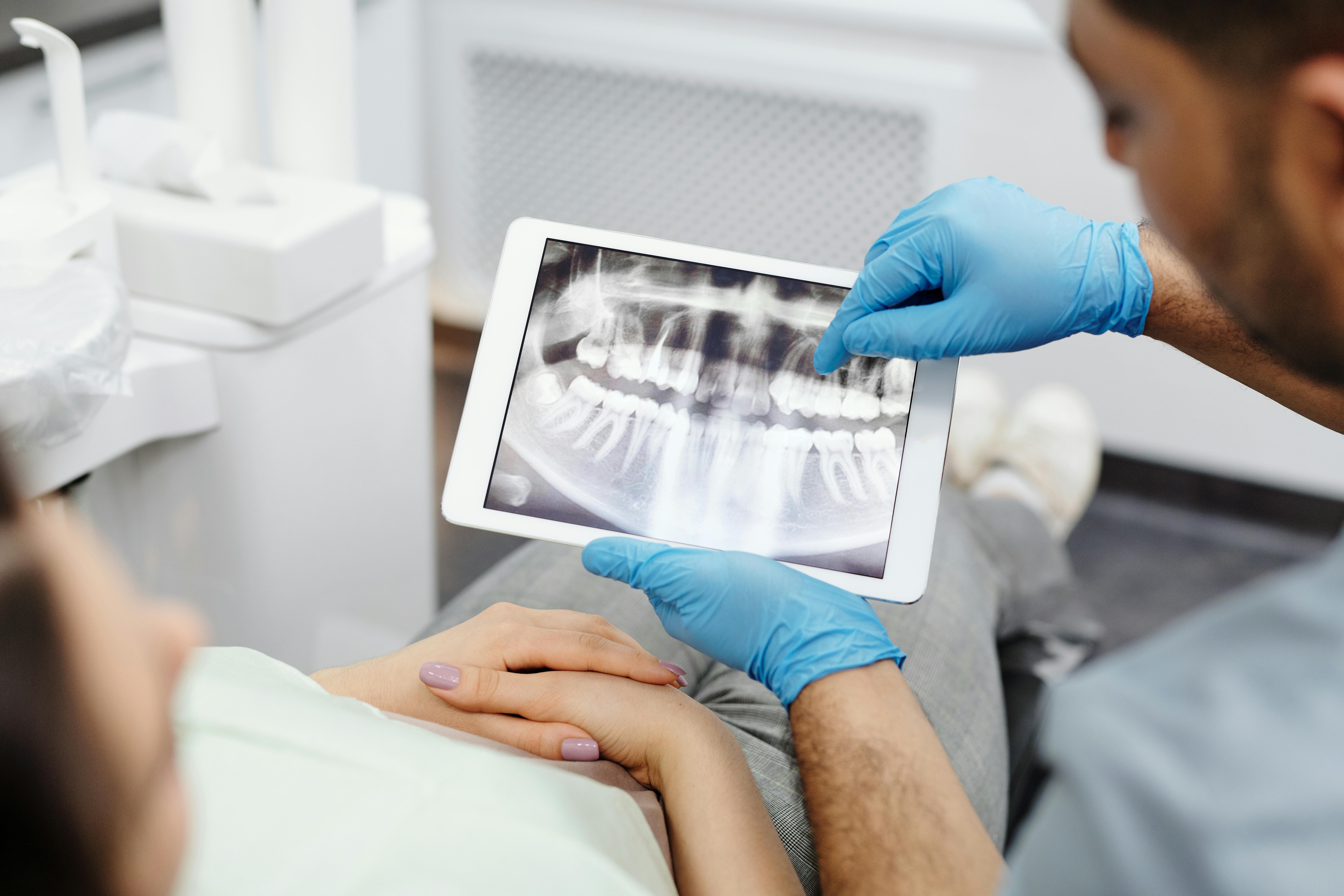
The initial evaluation should be thorough. That includes examining the tooth, checking the bite, taking appropriate imaging, and discussing symptoms in detail. A tooth that hurts when chewing may have a crack. A tooth with temperature sensitivity may have a nerve issue. A dark line under an old crown might indicate recurrent decay, but it might also be stain. The plan changes depending on what is actually happening.
Patients in Los Angeles often ask whether they can have the crown done immediately if they are short on time. Sometimes yes, if the diagnosis is straightforward and the office has same-day technology. Sometimes no, especially if the tooth needs a buildup, root canal treatment, gum management, or extra evaluation first. Rushing this phase can Dental Crowns Los Angeles CA simpledentalca.com create expensive problems later.
It is also the right time to talk about materials. Crowns are not one-size-fits-all. All-ceramic restorations can look beautiful and natural, particularly in visible areas. Zirconia can offer excellent strength and has become a common choice for back teeth and some front teeth as well. Porcelain fused to metal crowns are still used, though less often than they once were. Gold remains a very durable material for certain back teeth, even if many patients are not interested in the appearance. The “best” material depends on esthetics, bite forces, available space, tooth position, and personal preference.
Tooth preparation, what happens when treatment begins
The preparation visit is the one most people think of as the crown appointment. After the tooth is numb, the dentist removes decay, weak edges, and any failing restorative material. The tooth is then shaped so the lab-made crown can slide over it and seat properly. Enough reduction is necessary to create space for the crown material, but overly aggressive reduction removes healthy tooth structure and is not ideal. It is a careful balance.
If a tooth is heavily damaged, the dentist may place a buildup first. A buildup is essentially a foundation that rebuilds missing tooth structure so the crown has something stable to hold onto. Patients are sometimes surprised to learn that the visible crown depends heavily on what is underneath it. A beautifully made crown on a poor foundation is a weak restoration.
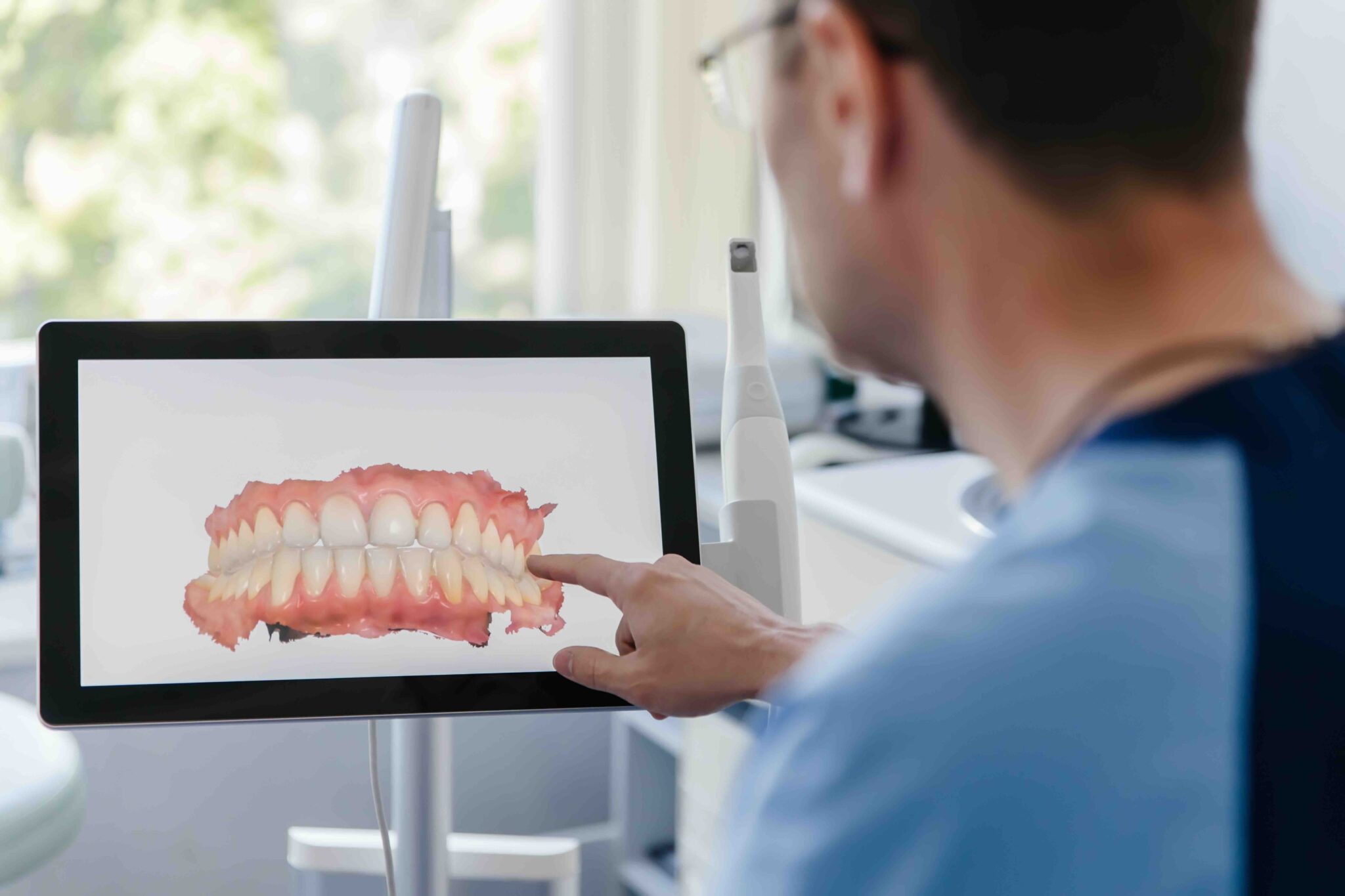
Impressions or digital scans come next. Traditional impressions use a putty-like material, while digital scans capture the tooth with an intraoral camera. Many patients prefer digital scans because they are more comfortable and reduce the chance of distortions from impression material movement. Still, the equipment is only as good as the technique. Clear margins and accurate bite records are what make the final crown fit.
At the end of this visit, most patients leave with a temporary crown unless the office is fabricating the final crown the same day. Temporary crowns are useful but imperfect. They protect the prepared tooth, maintain spacing, and help guide the final shape. They are not designed for long-term wear. It is normal for them to feel a little different from natural teeth, though they should not feel painfully high or painfully tight.
Living with the temporary crown
This is the phase patients underestimate. The temporary crown period can be uneventful, or it can reveal important information. If the temporary feels too tall when you bite, the final crown may need bite adjustments in design. If floss shreds badly between the temporary and the adjacent tooth, the contact area may need refinement. If the tooth remains sensitive, the dentist may need to reevaluate the pulp or the fit of the temporary.
Most people manage this period well with common-sense precautions. Sticky candies, chewing ice, and tearing open packages with the temporary tooth are all bad ideas. If the temporary comes off, it does not always mean something disastrous happened, but it should be addressed promptly. Prepared teeth can shift, and even small movement can make the final crown harder to seat.
Patients with demanding work schedules in Los Angeles often ask whether a temporary can last a few extra weeks if they need to delay the second appointment. Sometimes it can, but that is not a plan a dentist loves to hear. Temporaries are a bridge, not the destination. The longer they stay in service, the more likely they are to leak, loosen, wear, or fracture.
The final seating appointment
When the final crown returns from the lab, the dentist checks several things before cementing it. The fit at the margin must be precise. The contact with neighboring teeth must be correct. The color and shape should blend naturally, especially in the smile zone. Most importantly, the bite must be balanced so the crown does not absorb excessive force.
Many patients expect this appointment to be quick and simple, and sometimes it is. But difficult cases can take time. A crown may look excellent on the model and still need fine adjustment in the mouth. The Dental Crowns Los Angeles CA patient may need to sit up, bite on articulating paper, move side to side, and test the feel multiple times. That is not a sign the crown is bad. It is part of making a restoration function like a real tooth.
Cementation method depends on the material and the clinical situation. Some crowns are conventionally cemented. Others are bonded. The distinction matters because it affects retention, isolation requirements, and sometimes the amount of tooth preparation needed. Patients do not need to memorize the chemistry, but they should know that proper seating is a technical step, not a formality.
A well-fitted crown often feels surprisingly normal within a day or two. Mild tenderness around the gumline can happen, especially if the area was inflamed beforehand or if a cord was used during impressions. Brief temperature sensitivity can also occur. Persistent pain, a bite that still feels “off,” or inability to floss properly are reasons to call the office back.
How long crowns last in real life
Patients often want a precise lifespan. The honest answer is that crowns can last many years, often a decade or longer, but no responsible dentist can promise a fixed number. Longevity depends on material choice, oral hygiene, bite forces, diet, grinding habits, and the condition of the supporting tooth and gums.
I have seen crowns fail early because a patient cracked them on ice or neglected decay around the margins. I have also seen older crowns remain functional for well over fifteen years because the patient kept meticulous hygiene and wore a night guard consistently. Durability is partly about the crown itself and partly about the environment it lives in.
One common misunderstanding is that a crown protects against all future cavities. It does not. The crown material cannot decay, but the natural tooth at the edge of the crown can. That margin is where plaque control matters most. If flossing is inconsistent and cleanings are skipped, recurrent decay can develop quietly until the crown loosens or the tooth hurts.
Cost, insurance, and why estimates vary
Anyone searching Dental Crowns Los Angeles CA will notice that prices can vary widely across practices. Part of that is geography and overhead. Part of it is the type of material, the lab quality, the technology used, and whether additional procedures are needed. A straightforward crown on a stable tooth is one thing. A crown that requires core buildup, root canal treatment, or gum recontouring is something else entirely.
Insurance can reduce out-of-pocket cost, but coverage varies. Many plans contribute toward crowns only when specific criteria are met, and some impose waiting periods, frequency limits, or downgraded reimbursements based on older fee schedules. Patients are often frustrated to learn that “covered” does not mean “paid in full.” It usually means the plan contributes a portion according to its rules.
This is one area where transparency matters. A good office should explain expected fees, possible add-ons, and what happens if the tooth needs more treatment after preparation. Occasionally a tooth seems crown-ready until decay is removed, revealing the need for a root canal or a more extensive foundation. That is not bait-and-switch when communicated honestly. It is the reality of working on living teeth.
Cosmetic expectations in a city like Los Angeles
Los Angeles patients often care deeply about esthetics, and for good reason. Front teeth are highly visible, and even small discrepancies in shape, translucency, or gum contour can stand out on camera and in daylight. Posterior crowns do not demand the same cosmetic precision, but anterior crowns absolutely do.
Shade selection is more complex than choosing “white.” Natural teeth reflect and transmit light differently across the enamel and dentin. A front crown may need layered ceramic, custom staining, or a highly skilled ceramist to avoid looking flat or opaque. If the tooth underneath is dark, if the neighboring teeth are worn or translucent, or if the gumline is uneven, the challenge increases.
Patients considering a visible crown should discuss photographs, smile line, and expectations before treatment starts. It is much easier to build the right esthetic target at the beginning than to chase it after the crown comes back from the lab. In some cases, whitening nearby teeth first makes sense. In others, a single crown may not be the ideal cosmetic solution if several front teeth are mismatched.
Same-day crowns versus laboratory crowns
Same-day systems have changed the patient experience. They can eliminate the temporary crown phase and reduce scheduling headaches, which is especially appealing in a city where traffic can turn a simple follow-up into a half-day event. For selected cases, same-day crowns are efficient and highly satisfactory.
That said, same-day is not automatically better. Complex bite patterns, highly cosmetic front teeth, difficult shade matching, or challenging subgingival margins may still be better served by an experienced dental lab. The best choice depends on the case, not the marketing. Patients should be wary of any promise that one method is superior for every tooth.
A practical way to think about it is this: convenience matters, but precision matters more. If a lab-made crown offers a better chance of ideal esthetics or long-term function, waiting a bit longer is often worthwhile.
Problems that can happen, and how they are usually handled
Even well-planned crowns sometimes need follow-up. Bite adjustments are common in the first few days. Cement sensitivity may linger briefly. A temporary might come off. None of that is unusual. More significant problems include cracked teeth discovered after preparation, persistent nerve inflammation, open margins, poor contacts, or crowns that simply do not fit well enough to seat.
When a patient says, “The crown feels too high,” that complaint deserves respect. Bite discrepancies can make chewing uncomfortable and can irritate the surrounding ligament quickly. Likewise, floss that snaps through with no resistance may suggest an open contact, while floss that shreds repeatedly may point to a rough edge or overhang. Small technical flaws can create daily annoyance.
Some crowns require remaking. That is not ideal, but it is sometimes the correct decision. Good dentistry is not about pretending every first attempt is perfect. It is about recognizing when an adjustment is enough and when the restoration should be replaced for the sake of fit, comfort, or appearance.
Aftercare that protects your investment
Once the crown is in place, maintenance becomes the long game. Patients often assume crowned teeth need less attention because they are “fixed.” The opposite is closer to the truth. Restored teeth deserve extra respect because they have already lost structure once.
A few habits make a measurable difference:
- brush carefully along the gumline where the crown meets the tooth
- floss daily and slide the floss out gently if your dentist recommends that technique
- wear a night guard if you clench or grind
- avoid using teeth as tools
- keep regular exams so small issues are caught early
Night guards deserve special mention. In Los Angeles, stress-related grinding is common. Many patients do not realize they clench until they fracture a filling, chip enamel, or crack a crown. A properly fitted night guard can dramatically reduce destructive forces. It is one of the few preventive tools that reliably extends the life of restorative work.
Choosing the right provider in Los Angeles
A crown is a common procedure, but “common” should not be mistaken for trivial. If you are comparing providers for Dental Crowns Los Angeles CA, pay attention to communication and thoroughness as much as price. Does the dentist explain why a crown is needed and what alternatives exist? Do they evaluate the bite carefully? Are they comfortable discussing material trade-offs? Do they review what happens if the tooth needs additional treatment once opened?
Technology is helpful, but it is not a substitute for judgment. Digital scanners, milling units, photography, and 3D imaging can all improve efficiency and accuracy when used well. What matters most is whether the clinician uses those tools thoughtfully and plans your case around function as well as appearance.
It also helps to notice how the office handles the details. Are temporaries stable and comfortable? Is the staff clear about what to expect after each appointment? Does the dentist invite you back if the bite feels off rather than dismissing your concerns? Those small signs often tell you more about long-term satisfaction than any advertisement.
The treatment journey is worth understanding
For the right tooth, a crown can be an excellent treatment, not flashy, but genuinely useful. It can stop a crack from worsening, restore chewing comfort, protect a root canal-treated tooth, and improve the way a smile looks and functions. The journey is not just about placing a crown. It is about diagnosing the problem accurately, choosing the right material, preparing the tooth conservatively, checking fit meticulously, and supporting the result with sensible aftercare.
That is why patients do best when they approach the process with realistic expectations. A crown is strong, but not indestructible. It can look natural, but only if esthetics are planned carefully. It can last many years, but only if the surrounding tooth and gums stay healthy. When those pieces come together, the result often feels uneventful in the best possible way, the tooth simply does its job, day after day, without asking for attention.
Simple Dental Vermont
Address: 8914 S Vermont Ave, Los Angeles, CA 90044
Phone number: +13239493000
FAQ About Dental Crowns Los Angeles CA
How much do crowns cost per tooth?
In the United States, a single dental crown typically costs between $800 and $2,500 per tooth without insurance. The ultimate out-of-pocket price depends heavily on the crown material, the location of the tooth, and whether you have dental insurance coverage.
What is the downside of crowns on teeth?
The primary downside of a dental crown is that the procedure permanently removes natural tooth enamel to shape the tooth for the cap.
Why do dentists push for crowns?
Dentists recommend crowns because a large filling cannot provide enough strength when a tooth loses a major portion of its structure or faces heavy chewing pressure.