Column · @raymondagls284
Dental Crowns Los Angeles CA: Everything First-Time Patients Should Know
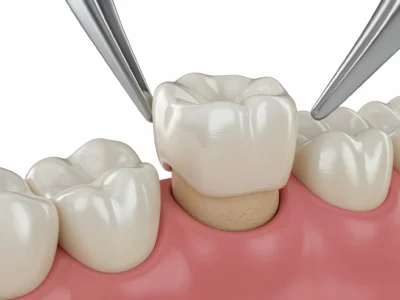
A dental crown sounds simple enough until a dentist says you need one. Then the questions start. Will it hurt? How long will it last? Why not just do a filling? How much will it cost in Los Angeles? And perhaps the most common concern of all, will it look natural when I smile?
Those are fair questions. For first-time patients, crowns often sit in an awkward middle ground. They are more involved than a filling, but not nearly as intimidating as people imagine. In practice, a crown is one of the most useful tools in restorative dentistry. It protects weakened teeth, restores function, improves appearance, and in many cases prevents a small problem from turning into a much larger one.
If you are researching Dental Crowns Los Angeles CA, it helps to understand not just what a crown is, but when it makes sense, how the process usually works, what materials are commonly used, and what life with a crown actually feels like afterward. Los Angeles adds another layer to the conversation because fees, lab options, technology, and cosmetic expectations can vary quite a bit from one office to another.
What a dental crown actually does
A crown is a custom-made cap that covers the visible part of a tooth above the gumline. Its job is structural first. It protects a tooth that has been weakened by decay, fracture, heavy wear, or a large old filling. It also restores shape, bite function, and, when planned well, the look of a natural tooth.
Many patients think crowns are only for badly damaged teeth. That is sometimes true, but not always. A crown may also be recommended after a root canal, on a dental implant, or to improve a tooth that is severely misshapen or discolored when more conservative cosmetic options will not hold up.
A simple way to think about it is this: a filling repairs part of a tooth, while a crown protects the whole visible portion. When too much natural structure is gone, a filling can become a patch on a wall that no longer has enough frame behind it. At that point, the tooth needs more than a patch. It needs a protective shell built to handle pressure.
Why dentists recommend crowns instead of larger fillings
This is where first-time patients often hesitate. If there is a cavity or a cracked tooth, why not just fill it and move on?
The answer comes down to remaining tooth structure. Fillings work well when enough healthy enamel and dentin are still present to support the repair. Once a tooth has lost too much support, a large filling can act like a wedge under biting force. Instead of strengthening the tooth, it can increase the chance of a crack spreading.
Dentists also look at where the damage sits. A molar takes enormous chewing force. Even a moderate fracture on a back tooth can become a major problem if left with only a filling. Front teeth face less pressure, but appearance matters more there, and the material choice becomes just as important as strength.
In real practice, a crown recommendation often follows one of three patterns. The tooth has a very large old filling that is failing. The tooth has cracked and hurts when you bite. Or the tooth has had root canal treatment and is now more brittle than it used to be. In all three cases, a crown is not about overtreatment. It is about giving the tooth a realistic chance to last.
Situations where a crown may be the right next step
The exact decision depends on the tooth, the bite, and the patient’s goals, but crowns commonly make sense in a few specific scenarios:
- A tooth has a large cavity or a filling that covers so much surface area that little strong tooth structure remains.
- A cracked or fractured tooth needs protection so the crack does not worsen under chewing pressure.
- A tooth has had root canal therapy and needs reinforcement afterward.
- A severely worn, misshapen, or deeply stained tooth cannot be predictably improved with bonding or whitening alone.
- A dental implant needs its final visible restoration.
Even within those categories, there is room for judgment. Not every root canal tooth needs the same type of crown. Not every cracked tooth can be saved. Not every unattractive tooth should be crowned when a veneer or bonding could preserve more enamel. A good dentist will explain the reasoning in plain language and show you exactly what they are seeing on the x-rays and photos.
The first appointment, what usually happens
If you have never had a crown before, the process is usually less dramatic than people expect. Most modern crown treatment happens over two visits, though some offices offer same-day crowns for selected cases.
At the first visit, the dentist examines the tooth, checks the bite, and takes x-rays if needed. If the crown is appropriate, the tooth is numbed and shaped so the final restoration can fit properly. If there is decay, it is removed. If a large section of the tooth is missing, the dentist may place a buildup first to recreate a stable foundation.
Once the tooth is prepared, an impression or digital scan is taken. This is what the lab uses to make the crown. A temporary crown is then placed while the final one is fabricated.
The second visit is typically the delivery appointment. The dentist removes the temporary, checks the fit and contacts of the final crown, evaluates the bite, and cements or bonds it into place. Patients often expect that a crown should feel perfect the instant it goes in. Sometimes it does. Sometimes it needs a small adjustment, especially if the tooth had been compromised for a while and your bite had adapted around it.
Same-day crowns versus lab-made crowns
Los Angeles dental offices are more likely than many other markets to offer digital scanning and in-office milling, so same-day crowns come up often in consultations. They can be an excellent option, but they are not automatically the best option for every tooth.
Same-day crowns can be convenient. You skip the temporary crown and avoid a return visit. That matters if you have a busy work schedule, travel often, or simply do not want dental treatment stretched over two appointments.
Lab-made crowns, however, still have advantages in some situations. A high-quality dental lab can provide nuanced esthetics, layered ceramics, and fine contouring that matter especially for front teeth and cosmetic cases. Complex bite situations may also benefit from a skilled lab technician’s input.
In everyday terms, a back molar crown for a straightforward case may be a strong candidate for same-day treatment. A highly visible front tooth in a patient who cares deeply about color, translucency, and smile symmetry may be better served by a lab-crafted restoration. This is one of those decisions where technology helps, but clinical judgment matters more.
The materials you are most likely to hear about
Crown materials can sound technical, but most patients only need to understand the strengths and trade-offs of the main categories.
Porcelain or ceramic crowns are popular because they can look very natural. They are common on front teeth and many back teeth as well. Modern ceramics are much stronger than older generations, but the exact type matters.
Zirconia crowns are known for strength and durability. They are often used on molars or patients with heavy bite forces, clenching, or grinding. Some zirconia can also look quite natural, though esthetic demands on front teeth may lead a dentist to recommend a different ceramic depending on the case.
Porcelain-fused-to-metal crowns have been used for many years and can still perform well. They combine a metal base with tooth-colored porcelain on top. The drawback is that over time, some patients may see a dark line near the gum or more opacity than they would like.
Gold or other metal crowns remain excellent from a functional standpoint, especially in areas where appearance is not a concern. They require less removal of natural tooth structure and wear very Dental Crowns Los Angeles CA kindly against opposing teeth. They are less common today mostly because most patients prefer tooth-colored restorations.
No single material is best for everyone. The right choice depends on the tooth’s location, your bite, your esthetic priorities, and whether you grind your teeth at night.
What temporary crowns are really like
Temporary crowns deserve more attention than they get. Patients often assume the temporary is just a placeholder that does not matter much. In reality, the days or weeks you spend in a temporary can tell your dentist a lot about comfort, bite, and shape before the final crown is cemented.
A temporary is usually made from a less durable material than the permanent crown. It may feel slightly different from a natural tooth, and it may not look as polished. That is normal. It should still let you function reasonably well and protect the prepared tooth.
This period is also when common annoyances show up. A temporary can come loose if you chew sticky food. The tooth can be temperature-sensitive. Flossing may need to be done carefully so the temporary does not dislodge. If the bite feels too high, it is worth calling the office rather than trying to tough it out for two weeks. A small adjustment can make a big difference.
Does getting a crown hurt?
During the procedure itself, most patients are comfortable. The tooth is numbed thoroughly before any preparation begins. The part people tend to remember is not pain, but the feeling of holding the mouth open and hearing the handpiece. Anticipation is often worse than the treatment.
Afterward, mild soreness is common for a few days. The gum tissue around the tooth may feel tender. If the tooth was already inflamed or cracked, there may be some lingering sensitivity while things settle. Over-the-counter pain medication is usually enough, assuming your physician says those medications are safe for you.
When pain persists, it usually points to something that needs attention. The bite may be slightly high, the nerve may already have been compromised before the crown, or the crack may have extended deeper than it first appeared. A good office will want to know if chewing still hurts after the initial healing window.
How much dental crowns cost in Los Angeles
This is one of the first questions patients ask, and understandably so. In Los Angeles, the cost of a dental crown can vary widely based on the office, the material, the complexity of the case, and whether additional treatment is needed first.
A straightforward crown may fall in a broad range from around the low four figures to higher depending on neighborhood, technology, and lab quality. If the tooth also needs core buildup, root canal treatment, gum contouring, or replacement of a deep old filling before the crown can even be started, the total cost rises.
Insurance can help, but coverage is often not as predictable as patients hope. Many plans pay a percentage after the deductible, but only if the crown meets specific criteria. Some plans limit replacement frequency, so if a crown was placed too recently, benefits may not apply even if the tooth now has a new issue. Some also downgrade reimbursement to a less expensive material, leaving the patient to pay the difference.
When evaluating Dental Crowns Los Angeles CA, ask for a written estimate and make sure it separates the crown itself from any related treatment. That makes comparisons more honest and much easier to understand.
Why pricing varies so much from one Los Angeles office to another
Los Angeles is not one market. It is many micro-markets. A crown fee in Santa Monica, Beverly Hills, Downtown LA, Pasadena, or the San Fernando Valley may differ for reasons that have nothing to do with quality alone.
Office overhead plays a role. So does the type of lab used. A dentist who works with a high-end local cosmetic lab may pay considerably more than one using a larger volume lab. Digital technology, same-day systems, specialist collaboration, and appointment length also influence cost.
Then there is the human factor. Some dentists build extra time into crown appointments to refine esthetics and occlusion. Others work faster and more efficiently. Speed is not always a problem, but patients should understand what they are paying for. If appearance matters, particularly on a front tooth, the communication between the dentist and the lab can be worth the premium.
How long crowns last in real life
Patients often want a guarantee in years. Dentistry does not work that way. A crown can last well over a decade, and many do. Some fail earlier. Some last much longer. Longevity depends on the material, the quality of the underlying tooth, oral hygiene, bite forces, diet, and whether you grind or clench.
What shortens the life of crowns most often is not the crown material itself. It is recurrent decay at the margin, fracture of the underlying tooth, cement washout over time, or chronic overload from grinding. A beautifully made crown cannot protect a tooth from everything if oral conditions around it stay unhealthy.
A night guard can make an enormous difference for patients who clench. So can consistent cleanings and early attention to gum inflammation. Crowns do not get cavities, but the tooth underneath and around them still can.
What can go wrong, and what is usually fixable
Most crown treatment goes smoothly, but first-time patients should know the common issues without being alarmed by them.
Sometimes a new crown feels too tall when you bite. That usually requires a simple adjustment. Sometimes the tooth remains sensitive, especially if it had a deep cavity or crack beforehand. In some cases, a tooth that looked borderline before the crown may later need root canal treatment if the nerve does not recover.
Fit and contour matter too. If a crown traps food between teeth or feels bulky near the tongue, it can usually be corrected, though the solution depends on the problem. A minor bite adjustment is easy. A poor contact or flawed esthetic result may require remaking the crown.
This is one reason communication matters. If a front tooth crown does not match the neighboring teeth in brightness, shape, or translucency, say so before final cementation when possible. Most dentists would rather make corrections early than have a patient live with a result they dislike.
Cosmetic expectations deserve a real conversation
Los Angeles patients often care deeply about smile appearance, and that is not vanity. Teeth sit at the center of the face. Small differences in shape and color are obvious, especially in photos and on video calls.
If your crown will be visible when you smile, ask to see shade options and discuss neighboring teeth honestly. Natural teeth are rarely a flat paper-white. They have variation, warmth, and translucency. A crown that is technically beautiful but too bright can stand out just as much as one that is too dark.
This is especially important if you plan to whiten your teeth. Whitening should generally happen before the final shade is chosen, not after. Crowns do not bleach the way natural teeth do, so timing matters.
A common scenario goes like this: a patient crowns one front tooth, then decides months later to whiten the rest of the smile. Now the crown no longer matches. That does not mean anyone made a mistake, but it does show why planning ahead matters.
Questions worth asking before you commit
You do not need to interrogate your dentist, but a few well-placed questions can make the whole process clearer and calmer.
- Why is a crown the best option for this tooth instead of a filling, onlay, veneer, or extraction?
- What material do you recommend for my tooth and bite, and why?
- Will this be done in one visit or two, and what should I expect from the temporary?
- What costs are included, and are buildup, x-rays, or possible follow-up adjustments separate?
- If this tooth has symptoms afterward, what is the likely next step?
Good answers should feel specific to your mouth, not generic. If the explanation sounds vague or rushed, ask for the dentist to show you photos or x-rays. Seeing the crack line, decay pattern, or failing filling often makes the decision much easier to understand.
Caring for a new crown so it lasts
A crown does not require exotic care. It requires consistent, ordinary care done well. Brush thoroughly along the gumline. Floss every day. If you use a water flosser, it can be a helpful addition, though it does not fully replace floss for most people. Keep regular hygiene visits. If you grind at night, wear the night guard you were given rather than leaving it in the bathroom drawer.
Food habits matter more than many patients realize. Constant snacking, frequent sugary drinks, and chewing ice are rough on both natural teeth and dental work. Sticky candy is a common enemy of temporary crowns and not particularly kind to permanent ones either.
If something feels off, do not wait six months hoping it settles. A loose crown, a bad taste around one tooth, floss shredding at a margin, or pain when biting are all reasons to check in sooner. Early intervention is almost always simpler and less expensive.
Choosing a dentist for Dental Crowns Los Angeles CA
Credentials matter, but so do communication and case fit. A dentist who places excellent crowns should be able to explain why a crown is needed, show attention to bite and esthetics, and make space for your questions without acting annoyed by them.
Look for signs of thoroughness. Does the office discuss material choices in a way that makes sense for your situation? Do they use photos or scans to help you understand what they are seeing? Do they talk about long-term maintenance, not just the day of treatment?
For visible teeth, ask whether the office handles cosmetic matching regularly. For heavily worn bites or complex fractures, ask how they evaluate function and grinding habits. A crown may be the restoration you are paying for, but the planning behind it is what usually determines whether it feels forgettable in the best possible way.
The bigger picture
A dental crown is not just a cap on a tooth. It is a structural decision. When done for the right reasons and executed well, it can restore confidence in chewing, protect a vulnerable tooth, and blend into your smile so naturally that you stop thinking about it at all.
That is the goal, not merely to place a crown, but to make the tooth feel stable, useful, and unremarkable again. For first-time patients exploring Dental Crowns Los Angeles CA, the smartest next step is not to hunt for the fastest or cheapest option alone. It is to find a dentist who diagnoses carefully, explains clearly, and matches the treatment to both the tooth and the person attached to it.
Simple Dental Vermont
Address: 8914 S Vermont Ave, Los Angeles, CA 90044
Phone number: +13239493000
FAQ About Dental Crowns Los Angeles CA
How much do crowns cost per tooth?
In the United States, a single dental crown typically costs between $800 and $2,500 per tooth without insurance. The ultimate out-of-pocket price depends heavily on the crown material, the location of the tooth, and whether you have dental insurance coverage.
What is the downside of crowns on teeth?
The primary downside of a dental crown is that the procedure permanently removes natural tooth enamel to shape the tooth for the cap.
Why do dentists push for crowns?
Dentists recommend crowns because a large filling cannot provide enough strength when a tooth loses a major portion of its structure or faces heavy chewing pressure.