Column · @raymondagls284
Dental Crowns Los Angeles CA: The Key to Tooth Preservation
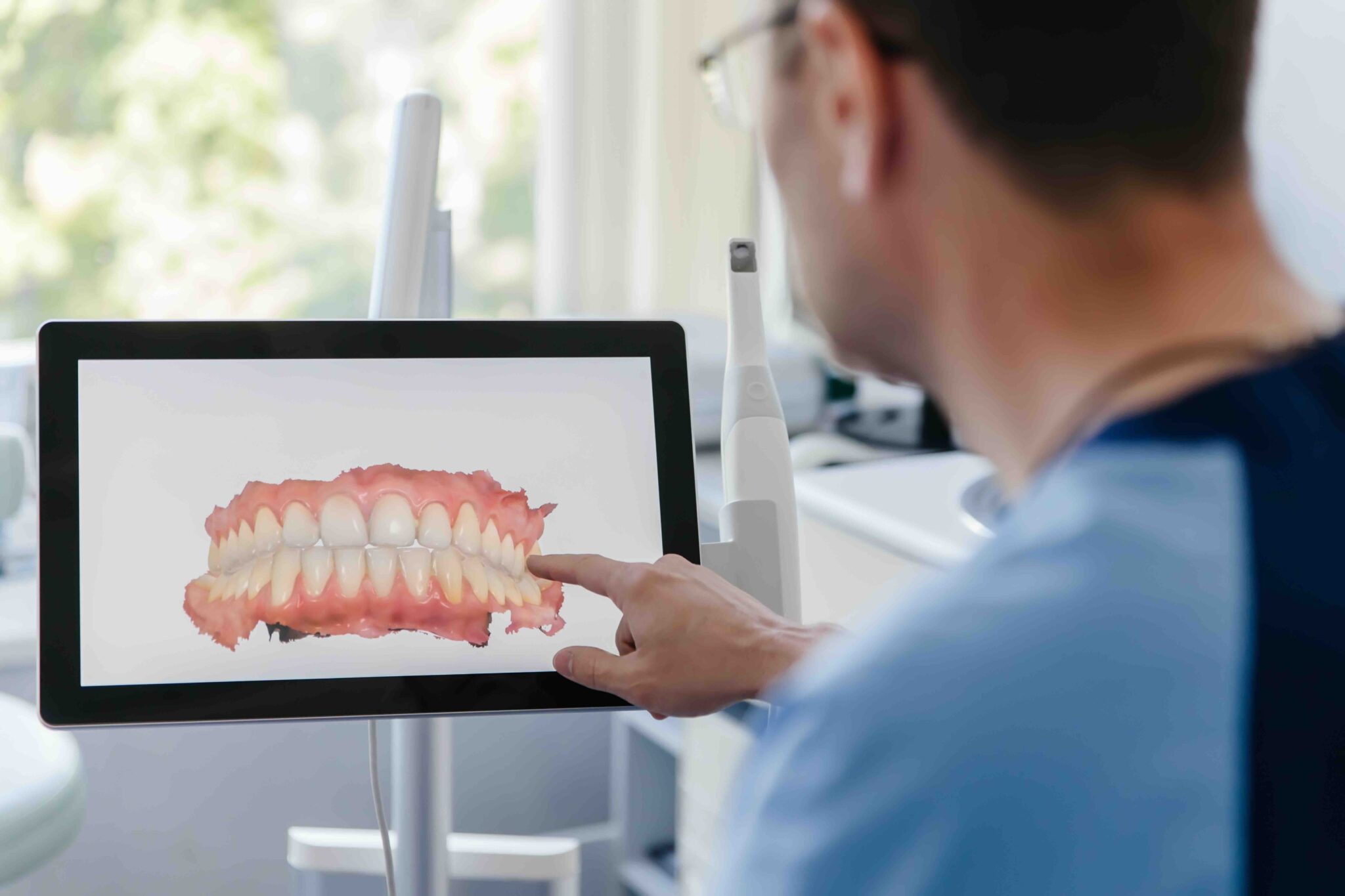
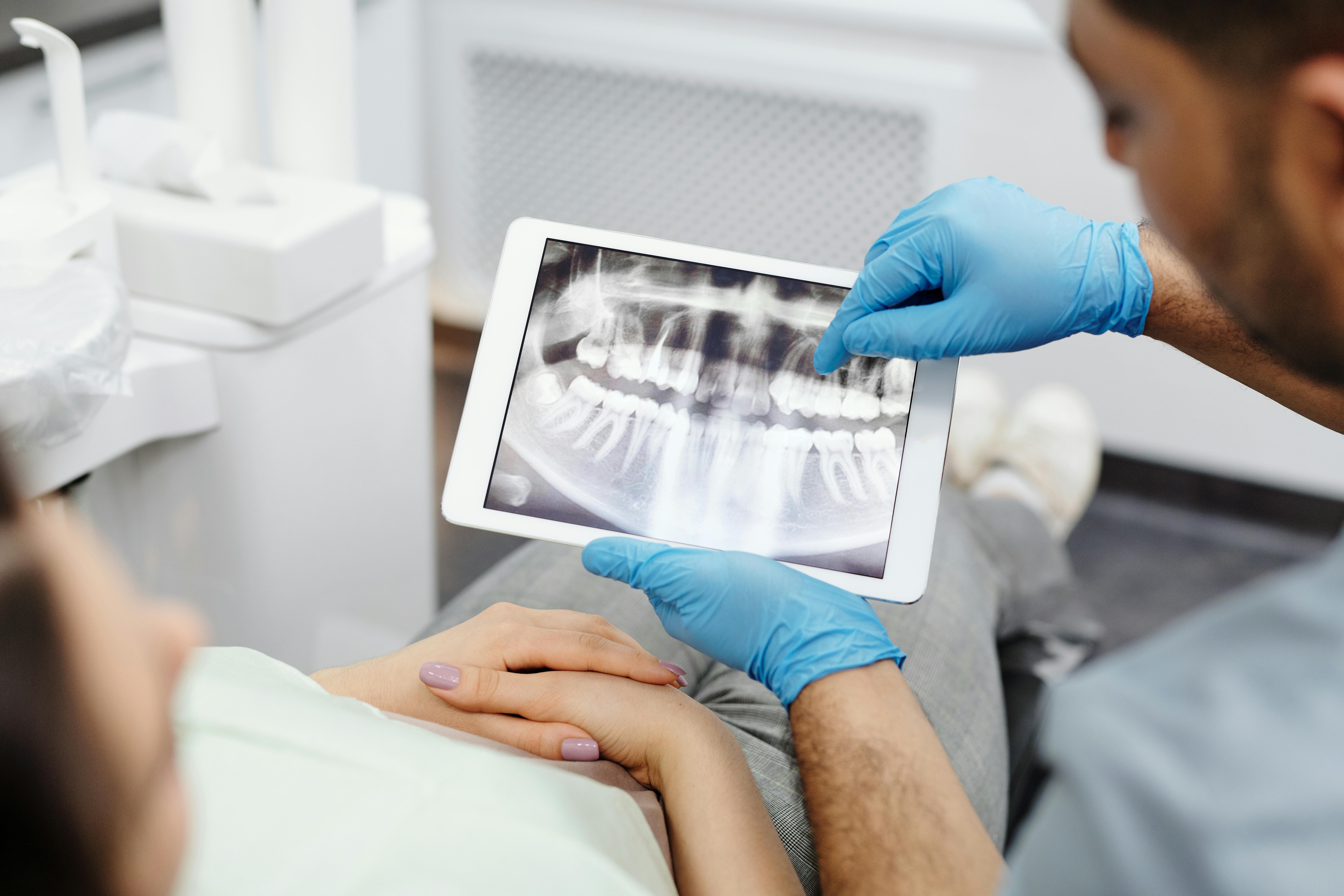
A healthy tooth is worth protecting for as long as possible. That principle guides good restorative dentistry, and it is exactly why crowns remain such an important treatment. When a tooth is cracked, heavily filled, worn down, or weakened after a root canal, the goal is not simply to make it look better. The real objective is to preserve what is still usable, protect it from further breakdown, and help the patient keep that tooth functioning comfortably for years.
That is where dental crowns come in. In a city like Los Angeles, where patients often want restorations that are both durable and highly natural-looking, crowns do a lot of heavy lifting. They reinforce damaged teeth, restore bite strength, and blend into a smile when they are planned properly. The phrase Dental Crowns Los Angeles CA may sound like a basic local search term, but behind it sits a treatment that often makes the difference between saving a tooth and losing it.
The interesting part is that crowns are not a one-size-fits-all fix. They are a judgment call. Dentists weigh how much tooth structure remains, where the tooth sits in the mouth, how the patient bites, whether they grind at night, how visible the area is when they smile, and whether the nerve is healthy. A well-made crown can be conservative in the best sense of the word. It preserves a tooth that might otherwise continue to fracture, leak around old fillings, or deteriorate to the point where extraction becomes the only practical choice.
Why preserving a tooth matters more than many people realize
Patients sometimes assume that if a tooth is damaged enough to need a crown, it is already halfway lost. In reality, many crowned teeth serve beautifully for a long time. Keeping a natural tooth helps maintain bite balance, chewing efficiency, and the position of neighboring teeth. It also preserves the feel of natural function. Even excellent tooth replacement options, including implants, are usually considered after every reasonable effort has been made to save the original tooth.
There is also a cost to waiting too long. A small crack can become a split tooth. A failing large filling can turn into a cavity that extends below the gumline. A tooth that could have been restored with a crown may later require a root canal and crown, or become non-restorable altogether. That progression is common in real practice. A patient may come in saying, “It was only sensitive when I chewed popcorn a few months ago.” By the time it becomes constant pain, the damage is often more advanced.
Preservation is not glamorous, but it is smart dentistry. The best restorative work often starts with the quiet decision to stabilize a compromised tooth before the situation escalates.
What a dental crown actually does
A crown is a custom-made cap that covers and protects a damaged tooth. That simple description is technically true, but it misses the clinical value. A crown does not just sit on top of a tooth like a helmet. It becomes a carefully shaped outer shell that restores the tooth’s anatomy, supports weakened cusps, redistributes bite forces, and seals vulnerable surfaces against bacteria and leakage.
Think of a back molar with a large old silver filling. Over time, that tooth may develop tiny fracture lines around the filling because the remaining enamel walls flex under chewing pressure. The filling itself may still be in place, but the tooth around it is no longer trustworthy. A crown lets the dentist replace that unstable structure with something that supports the tooth as a whole.
On front teeth, crowns can also restore form and color when a tooth is badly broken, darkened after trauma, or structurally compromised. The preservation principle still applies, although the aesthetic demands become much higher. In Los Angeles, that matters. People often expect restorations to disappear into the smile, especially when they work in client-facing, on-camera, or image-conscious industries. Good crown work in those settings requires technical precision and an eye for natural proportions, surface texture, and shade variation.
When a crown is the right choice
Not every damaged tooth needs a crown. A conservative dentist does not place them casually. Smaller cavities can often be treated with bonded fillings. Moderate damage may be better served by an inlay or onlay, which preserves more tooth structure than a full crown. The decision depends on how much healthy tooth remains and whether the remaining structure can withstand normal bite forces.
Crowns tend to make the most sense when a tooth is structurally compromised, not just cosmetically flawed. That includes teeth with deep cracks, very large fillings, extensive wear, or brittleness after root canal treatment. Molars often fall into this category because they absorb heavy chewing pressure. Premolars can be tricky too, especially in patients who clench. Front teeth are judged a little differently, since aesthetics and bite guidance play a larger role.
A few common situations push a tooth into crown territory:
- A fracture has undermined one or more cusps.
- A cavity or old filling has removed a large portion of the tooth.
- A root canal has left the tooth more vulnerable to breakage.
- Severe wear has shortened the tooth and changed the bite.
- The tooth needs full coverage to support function and appearance.
That list sounds straightforward, but real cases are often gray. A tooth may look restorable with a large bonded filling, yet the patient has a strong bite and clear grinding wear. Another patient may have a cracked tooth with minimal symptoms now, but the crack pattern tells an experienced dentist it is a matter of time before it worsens. Good treatment planning relies on that kind of nuance.
Crowns and cracked teeth, one of the most important uses
Cracked teeth are among the most frustrating problems in dentistry because they do not always behave predictably. A patient may have sharp pain when releasing pressure after chewing, but nothing shows clearly on an x-ray. Another may report cold sensitivity that comes and goes. Often the tooth looks almost normal until the dentist isolates it, tests each cusp, and notices a subtle fracture line or a pain response on bite testing.
When the crack is confined to the crown portion of the tooth and has not split the root, a crown can be an excellent protective treatment. It binds the tooth together in functional terms, reducing flex and helping prevent the crack from propagating under chewing pressure. It does not erase the crack from existence, but it often stabilizes the situation enough to preserve the tooth comfortably.
Timing matters. If a patient delays treatment, a crack can deepen, irritate the nerve, or extend into a pattern that no longer has a predictable prognosis. Many patients who eventually need an extraction first had a period when the tooth was probably savable with timely full coverage. That is one reason dentists tend to take cracked tooth symptoms seriously even when pain is intermittent.
Materials matter, especially in visible and high-stress areas
Patients often ask which crown material is best. The honest answer is that it depends on the tooth, the bite, the cosmetic expectations, and the available space. No single material wins every category.
All-ceramic and porcelain-based crowns are popular because they can look very natural. They are often chosen for front teeth and visible premolars. Zirconia has gained wide acceptance because it offers impressive strength and can also look quite good, particularly in modern multilayer versions. Porcelain-fused-to-metal crowns still have a place in some cases, though they are less common than they once were. Full metal crowns, usually gold-colored alloys, remain excellent functionally for certain back teeth, even if patients choose them less often for aesthetic reasons.
In Los Angeles practices, aesthetic requests can be especially specific. Some patients want a crown to match neighboring teeth perfectly under daylight, office lighting, and camera flash. Others care most about longevity and are willing to prioritize strength in a non-visible molar. Those are different conversations. A skilled dentist will not simply default to the material that happens to be most trendy.
The preparation process, what patients can expect
Crown treatment is usually completed over two visits, though same-day crowns are possible in some offices depending on the case. The first visit involves evaluation, preparation, impressions or digital scans, shade selection, and placement of a temporary crown. The second visit is for fitting and cementing the final restoration.
Patients are often surprised that the temporary crown matters so much. It protects the prepared tooth, maintains spacing and contour, and gives useful feedback about shape and bite. If the temporary feels too bulky, catches floss aggressively, or hits first when chewing, that information can help refine the final result.
The preparation itself involves removing decay or defective restorations, shaping the tooth so the crown can seat properly, and ensuring there is enough room for a durable material thickness. If the tooth is deeply damaged, the dentist may also place a core buildup to replace missing internal structure before the crown is made. In some teeth, especially those treated with root canals, additional reinforcement may be considered depending on how much structure remains.
A careful crown appointment takes planning. The margin placement must respect the gums. The bite must be balanced so the new crown does not become a pressure point. The contours have to allow proper cleaning. Crowns fail early not only because of material issues, but because details such as fit, occlusion, and preparation design were mishandled.
Why fit and bite are just as important as appearance
The average patient understandably notices color first. Dentists often notice fit first. A beautiful crown that leaks at the margins, traps plaque, or hits too heavily in the bite is not a success.
An ideal crown should seat precisely against the tooth preparation with margins that can be cleaned and monitored. It should contact neighboring teeth appropriately, neither too loose nor impossibly tight. Most importantly, it must fit into the bite in a way that supports function without overloading the tooth.
This is especially relevant for patients who grind or clench. Los Angeles is full of high-stress schedules, irregular sleep, and patients who are shocked to learn how much force they generate at night. A new crown on a grinder can chip, loosen, or trigger soreness if the bite is not carefully adjusted. In those cases, a night guard is often part of protecting the investment and preserving the tooth underneath.
The role of crowns after root canal treatment
A root canal removes infected or inflamed pulp tissue from inside the tooth. It can relieve pain and save a tooth that would otherwise be lost, but the tooth itself is often left more brittle, especially if a lot Dental Crowns Los Angeles CA of structure was already missing. That is why many back teeth need crowns after root canal therapy.
The crown does not improve the root canal directly. Instead, it protects the remaining tooth from fracture and seals it against reinfection. Without that protection, a tooth may survive the endodontic treatment only to break later under biting stress. That is an unfortunate but very real scenario.
Front teeth that receive root canals do not always require crowns if they remain structurally intact. Molars and premolars are a different story. Their role in chewing subjects them to far higher forces, and a crown is often the best long-term decision. Patients who postpone the crown after a root canal sometimes assume they are saving money. In practice, the delay can become more expensive if the tooth fractures beyond repair.
Cost, value, and the Los Angeles factor
Cost is a legitimate concern, and it deserves a direct answer. Crown fees in Los Angeles vary based on the office, the material, the complexity of the case, whether core buildup or additional treatment is needed, and insurance participation. It is more honest to discuss a range than pretend there is one universal number. Patients should expect meaningful variation across practices and neighborhoods.
That said, the value of a crown should not be judged only by the upfront fee. A well-planned crown can extend the life of a compromised tooth significantly. A poorly made crown, or a delay that allows the tooth to deteriorate further, can lead to root canal treatment, retreatment, extraction, implant placement, or bridge work. Those are much larger commitments in both money and time.
When evaluating Dental Crowns Los Angeles CA options, patients often focus on convenience or cosmetic marketing. Those matter, but they should not overshadow fundamentals. The quality of diagnosis, the precision of the fit, the material choice for your specific bite, and the dentist’s willingness to explain alternatives often tell you far more about the likely outcome than a polished website does.
How to know whether a crown is aging well
Crowns are durable, but they are not permanent in the absolute sense. They can last many years, sometimes well over a decade, when the tooth is healthy, the fit is good, and home care is consistent. They can also fail sooner if decay develops at the margin, if the tooth fractures underneath, or if heavy parafunctional habits take a toll.
Patients rarely feel early leakage or small recurrent decay around a crown. That is why regular exams and x-rays matter. Dentists look for open margins, darkening at the edge, gum irritation, bite wear, or subtle changes on radiographs. Sometimes a crown looks fine from the outside but has recurrent decay tucked beneath the edge. Catching that early can make the difference between replacing a crown and losing the tooth.
Signs that deserve prompt evaluation include persistent sensitivity, pain when biting, food trapping, a loose feeling, a visible chip, or gum inflammation around one crowned tooth. Not every symptom signals major trouble, but none of them should be ignored.
Caring for a crown so the tooth underneath stays healthy
A crown is not immune to disease. The porcelain or zirconia will not decay, but the natural tooth at the margin still can. In other words, a crown protects a tooth, but it does not remove the need for maintenance.
Patients do best when they follow a few simple habits:
- Brush along the gumline carefully, especially around the crown margins.
- Floss daily and slide the floss out gently if the contact is tight.
- Wear a night guard if clenching or grinding has been identified.
- Avoid using teeth to crack shells, open packages, or chew ice habitually.
- Keep recall visits and x-rays on schedule.
Those basics sound ordinary because they are ordinary. Yet they are exactly what preserves expensive restorative work. Crowns usually fail from familiar causes, decay, fracture, neglect, or chronic overload, not from mysterious defects.
Not every tooth can or should be crowned
One of the more important truths patients deserve to hear is that a crown is not always the right answer. If a tooth has too little remaining structure, a vertical root fracture, uncontrolled gum disease, or decay extending too far below the bone, crowning it may be a poor investment. Good dentistry includes saying no when prognosis is not favorable.
This is where experience matters. Some teeth are technically restorable but not predictably restorable. A dentist may be able to place a crown, but if the ferrule is inadequate, the root is compromised, or the crack pattern is suspicious, long-term success may be doubtful. In those cases, alternatives like extraction and replacement may be discussed more honestly.
Patients sometimes interpret that as inconsistency, especially if one office recommends a crown and another recommends removal. Often the difference comes down to philosophy, risk tolerance, and how the remaining tooth structure is being judged. The best conversations are transparent about uncertainty. Dentistry is full of probabilities, not guarantees.
Choosing the right dentist for crown work
Crowns are common enough that people can assume every crown is basically the same. That has not been my observation. The difference between average and excellent crown work shows up in the details, how conservative the preparation is, how the margins respect soft tissue, how the bite is adjusted, how well the shade and anatomy blend, and whether the restored tooth still feels like part of the mouth rather than a foreign object.
If you are evaluating a dentist for Dental Crowns Los Angeles CA, pay attention to how the office communicates. Do they explain why a crown is needed instead of simply announcing it? Do they discuss material options in relation to your specific tooth? Do they look at wear patterns and grinding habits? Do they ask about symptoms that suggest a crack or bite problem? Those are better indicators of thoughtful care than a generic promise of smile enhancement.
A patient once described a good crown this way: “It disappeared.” That is a remarkably accurate standard. The tooth looked normal, felt normal, and worked normally. No pinch when biting. No rough spot for the tongue to find. No awareness of where the restoration ended and the natural tooth began. That kind of result usually reflects careful diagnosis, proper planning, a skilled lab or digital workflow, and an unhurried final adjustment.
Preservation is the real story
The most valuable thing about a crown is not that it covers a tooth. It is that, when used well, it gives a compromised tooth another chapter. It buys time, function, comfort, and stability. It can prevent a crack from becoming a split, a heavily filled molar from crumbling, or a root canal-treated tooth from fracturing under pressure.
That is why crowns remain such a central part of restorative care. They are not cosmetic shortcuts or routine upsells when recommended appropriately. They are one of the most practical tools dentistry has for tooth preservation.
For patients searching for Dental Crowns Los Angeles CA, the important question is not only where to get a crown. It is whether the diagnosis is sound, whether the tooth is being preserved for the right reasons, and whether the restoration is being designed to last in the real conditions of your bite. When those pieces line up, a crown can do exactly what good dentistry is supposed to do, keep a natural tooth healthy, functional, and in service for as long as possible.
Simple Dental Vermont
Address: 8914 S Vermont Ave, Los Angeles, CA 90044
Phone number: +13239493000
FAQ About Dental Crowns Los Angeles CA
How much do crowns cost per tooth?
In the United States, a single dental crown typically costs between $800 and $2,500 per tooth without insurance. The ultimate out-of-pocket price depends heavily on the crown material, the location of the tooth, and whether you have dental insurance coverage.
What is the downside of crowns on teeth?
The primary downside of a dental crown is that the procedure permanently removes natural tooth enamel to shape the tooth for the cap.
Why do dentists push for crowns?
Dentists recommend crowns because a large filling cannot provide enough strength when a tooth loses a major portion of its structure or faces heavy chewing pressure.